
Helping Hickory Property Owners Recover After Water Damage
Hickory’s location in the Catawba Valley, near Lake Hickory and the broader Catawba River system, means moisture-related property issues are especially relevant here. Add in the region’s fast-changing weather patterns, severe thunderstorms, and flood risk, and it becomes easier to see how quickly a property can go from dry and comfortable to wet and damaged.
The team at United Water Restoration Group of Hickory is dedicated to helping home and business owners respond to water emergency situations with fast action and a clear plan for water damage restoration in Hickory, NC. Water can spread through a property much faster than many people expect, reaching flooring, drywall, insulation, trim, cabinetry, and structural materials in a short amount of time.
Common Causes of Water Damage in Hickory, NC
Water damage can begin in a number of different ways, and in the Hickory area, some sources are especially common.
Common causes of water damage in Hickory may include:
- Sudden plumbing failures, particularly when water is released quickly and has time to spread through floors, walls, cabinets, and nearby materials.
- Roof leaks, especially after heavy rain, wind-driven storms, or damage to shingles and flashing
- Appliance leaks from dishwashers, refrigerators, or washing machines
- Overflowing sinks, tubs, or toilets
- Basement seepage or standing water
- Water heater failures
- Crawl space moisture intrusion
- Storm-driven rain is entering through damaged exterior areas
Our Water Restoration Process in Hickory, NC
Water damage recovery works best when it follows a clear process. Our team takes a structured approach to water damage restoration in Hickory, NC, so customers understand what is happening and what comes next.
1. Assessment
Every water damage project starts with a close inspection of the affected property. We assess the water source, the areas impacted, and the condition of the materials involved. That may include flooring, drywall, ceilings, insulation, cabinets, trim, subflooring, and structural elements.
2. Water Removal
Once the affected areas have been assessed, the next step is immediate water removal to stop the problem from spreading further. Standing water needs to be extracted as soon as possible so it does not continue soaking into the structure.
3. Drying and Dehumidification
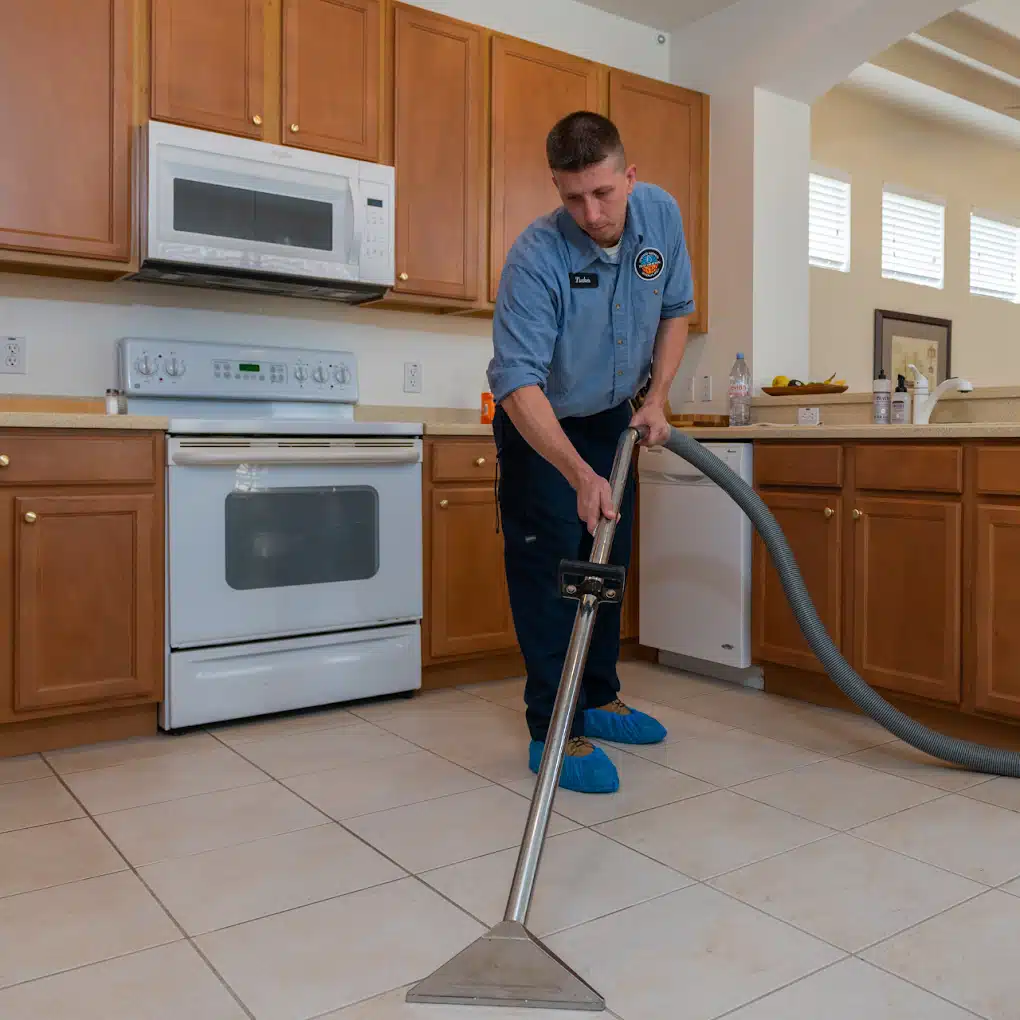
After the visible water has been removed, the drying phase begins. This part of the process is just as important as extraction because moisture often remains trapped inside materials and hard-to-see areas. Air movers, dehumidifiers, and moisture monitoring tools help dry the property more thoroughly and reduce the chance of longer-term problems.
4. Cleaning and Sanitizing
Once the property is dry or moving well through the drying process, affected surfaces may need cleaning and sanitizing. Water damage can leave behind dirt, contaminants, musty odors, and residue, depending on the source of the loss.
5. Restoration
The final phase is restoration. This can include repairs or rebuild work needed to bring the property back to a safe, usable condition. Some losses require only minor repairs, while others involve replacing drywall, flooring, trim, insulation, or other damaged materials.
Our Full Suite of Water Restoration Services
Water damage can affect different parts of a property in different ways. That is why our services address a broad range of materials and conditions.
Hardwood Floors
Hardwood flooring can absorb moisture quickly, leading to warping, cupping, staining, and long-term damage if the water is not addressed fast.
Water Soiled Carpets
Carpet can hold water, odors, and residue long after a leak or flood begins. Some carpeted areas may be salvageable, while others may need removal depending on the source of the water and how long it has been sitting.
Damaged Tiles & Flooring
Tile, laminate, vinyl, and other flooring materials can also be affected by water intrusion. Even when the surface looks intact, moisture may be trapped below it and damage the subfloor beneath.
Water Damage On Ceilings
Ceiling stains, sagging drywall, and bubbling paint are often signs that water has moved in from above. Ceiling damage may point to a plumbing issue, a roof leak, or an upstairs appliance problem that needs to be addressed quickly.
Water Damage On Walls
Water-damaged walls can hide moisture inside insulation, framing, and drywall layers. Prompt inspection and drying help reduce the chance of further material breakdown or mold development.
Water Damage In Basements
Basements often collect water after heavy rain, drainage issues, or plumbing failures. Standing water in these areas can affect walls, flooring, stored belongings, and nearby systems throughout the lower level.
Water Damage From Burst Pipes
Burst pipes can release a large amount of water in a short time, especially during colder weather events. A fast response is critical to limit how much water spreads through the structure.
Drying Water Damage
Drying is one of the most important parts of the recovery process. Removing visible water is only the beginning. The property also needs careful structural drying so hidden moisture does not remain behind.
Water-Damaged Roof
A damaged roof can allow water to move into attics, ceilings, wall cavities, and insulation. Roof-related water damage often becomes more serious after storms or when small leaks are left unresolved.
Frequently Asked Questions
How quickly should water extraction begin after a pipe burst or appliance leak?
Water extraction should begin as soon as possible. The longer water sits, the more time it has to soak into floors, drywall, cabinets, insulation, and other materials. Quick response can help reduce the overall scope of the damage and improve the chances of saving certain materials.
Will my insurance typically require documentation, photos, and drying logs for a water damage claim?
In many cases, yes. Insurance claims related to water damage often benefit from clear documentation, including photos, notes about affected materials, moisture readings, and drying records. This helps show the extent of the damage and the work being done to address it.
Schedule Your Services Today!
At United Water Restoration Group of Hickory, we are proud to provide responsive, local service backed by 24/7 availability, IICRC-certified professionals, advanced drying equipment, and attentive customer care.
If you need water damage restoration in Hickory, NC, contact our team today to schedule your assessment and take the first step toward recovery.