
Helping Morganton Property Owners Recover After Water Damage
In Morganton, water damage is not just something that happens after a pipe bursts under a sink or an appliance line gives out. It is also a concern shaped by the city itself. Morganton sits on the Catawba River in the foothills of the Blue Ridge Mountains, and Burke County’s hazard planning specifically identifies floods, severe storms, and winter weather as major natural hazards. In a city connected to riverfront trails, greenway access, and the broader Upper Catawba corridor, moisture intrusion and water-related property damage are very real issues for local homes and businesses.
At United Water Restoration Group of Hickory, we help Morganton property owners respond quickly when water starts spreading through a structure. Whether the source is a broken pipe, a roof leak after a storm, a leaking dishwasher line, or standing water in a lower level, our goal is to help stabilize the property and move the situation in a better direction. Water can travel fast through flooring, drywall, trim, insulation, cabinets, and wall cavities, which is especially frustrating in a place like Morganton, where many properties have character, craftsmanship, and finishes worth protecting.
Water Removal vs. Water Damage Restoration: What’s the Difference?
When a property takes on water, many owners understandably want the water gone first. That first step matters, but it is not the entire job. Water removal and water damage restoration are closely connected, though they are not the same thing.
Water Removal
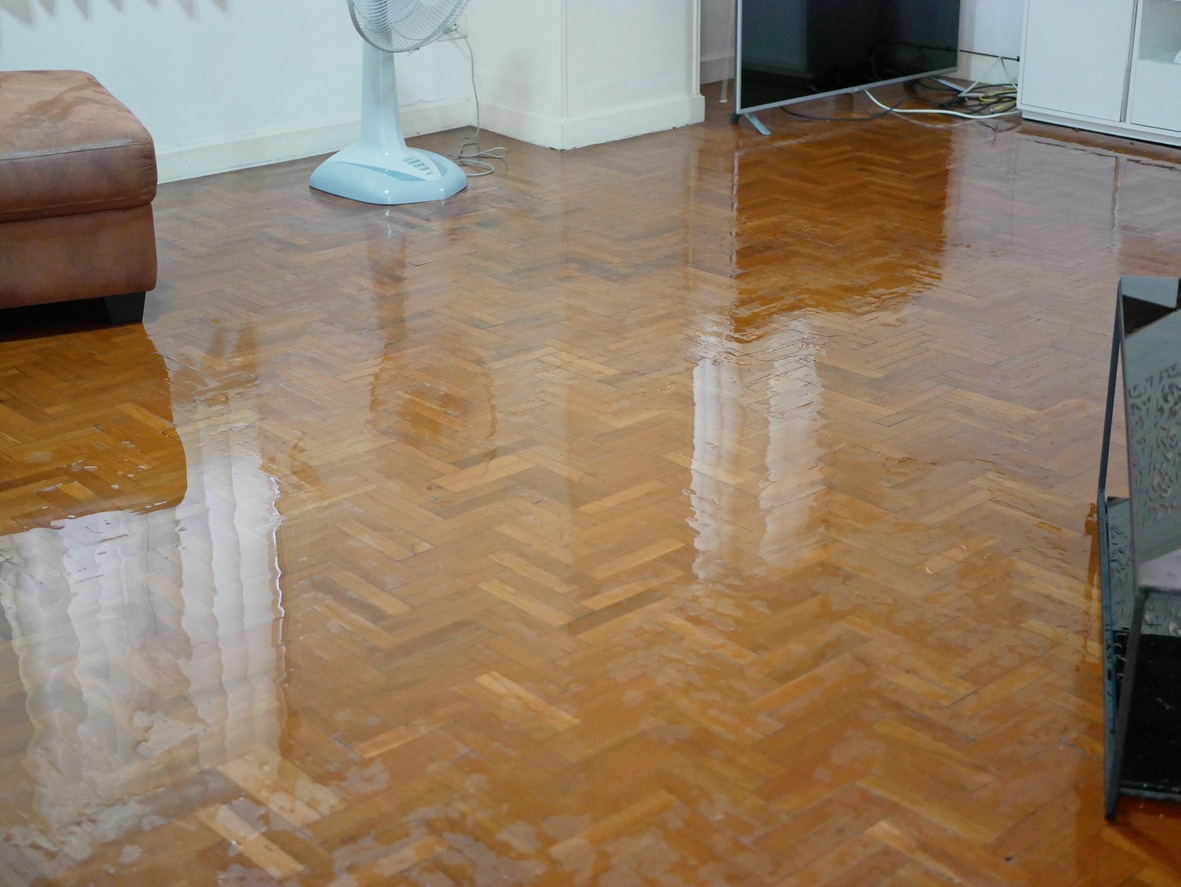
Water removal focuses on extracting standing water and stopping it from spreading farther through the property. This step is often the most urgent part of the response, especially after burst pipes, plumbing failures, overflowing fixtures, storm intrusion, or appliance leaks. If water is left in place too long, it can continue soaking into subfloors, drywall, insulation, trim, and cabinetry.
Professional water removal in Morganton, NC, property owners can rely on may include:
- extracting standing water from floors and lower areas
- addressing water from broken pipes or plumbing-related failures
- removing water after storm-driven leaks or exterior intrusion
- targeting wet areas before they begin affecting additional materials
- preparing the property for structural drying and next-step cleanup
Water Damage Restoration
Water damage restoration goes beyond pulling out visible water. It includes the larger process of drying the property, addressing affected materials, cleaning impacted surfaces, documenting damage, and helping move the space toward recovery. Depending on the situation, restoration may also involve coordinating repair or rebuild needs after mitigation is complete.
Simply put, water removal deals with the immediate emergency. Restoration addresses what the water left behind. That may include:
- Structural drying and dehumidification
- Cleaning and sanitizing affected areas
- Evaluating damaged flooring, walls, ceilings, and trim
- Documenting moisture conditions and affected materials
- Helping property owners understand what can be saved and what may need replacement
- Supporting the transition from mitigation to more complete recovery
When customers call us for water damage restoration in Morganton, NC, they are not just asking for equipment. They are asking for guidance, communication, and a team that can help them understand what comes next.
Signs You Need Professional Water Extraction After a Leak or Flood
Not every water problem looks dramatic at first. By the time the presence of water becomes obvious, it may have already seeped into floors, wall cavities, insulation, or lower structural areas.
Some of the most common signs that you may need professional extraction and drying include:
- Standing water on floors or in lower levels
- Warped hardwood or laminate flooring
- Carpet that feels soaked, heavy, or musty
- Bubbling paint or stained drywall
- Sagging ceilings or soft wall sections
- Wet baseboards, trim, or cabinetry
- Dampness in crawl spaces or basements
- Strong musty odors after a leak or storm
- Visible roof leaks or water entering around windows and exterior openings
IICRC-Categorized Water Types for Water Extraction
At UWRG Hickory, we’ve worked with all types of water damage, and we’re here to tell you that water extraction strategies have to change to deal with different types of water. Thoroughly assessing the type of water we’re facing helps us choose the right tools and techniques to get things cleaned up safely.
The three water categories set by the IICRC are:
- Category 1 or Clean Water: Category 1 water damage is the best-case scenario. It usually comes from a sanitary source and poses very little risk in the way of health concerns. Clean water can still change into a more dangerous category the longer it’s allowed to sit.
- Category 2 or Gray Water: A dramatic step down from category 1, gray water hold contaminants from appliances like washing machines, dishwashers, failed sump pumps, and toilets (if no fecal matter is present). It requires some special gear to handle safely and avoid illness.
- Category 3 or Black Water: As the most dangerous type of water we see in water extractions in Marganton, NC, black water includes sewage backups, floodwaters, biohazards, seawater intrusions, and standing water that has been at or above room temperature for three or more days. This type of water can be extremely dangerous, with a high likelihood of illness if touched without safety gear.
Water Extraction Equipment You May See During Restoration
Choosing the right equipment is vital to getting your water extraction done quickly and safely. You may see some of the following specialty tools while we’re working on your home to restore it to its pre-disaster form.
- Submersible pumps: Much like a sump pump, these devices can be fully submerged in water with drain lines that allow them to pump it out and away from the area. If surface water extraction isn’t powerful enough, these tools are.
- Truck-mounted units: If there’s a lot of water to extract on your property, these larger tools can vacuum it out faster and at higher volumes. A vehicle with a long hose or other extension is brought in for this type of scenario.
- Portable extractors: Smaller devices that are helpful for areas where larger tools can’t reach or standing water is minimal.
- Moisture meters and thermal tools: Water can get into places that are hard to access. Moisture meters and thermal detection units give your restoration team a way to find hidden water that’s behind walls, under floors, or in other hard-to-reach areas.
Common Plumbing Leaks That Lead To Water Damage
Leaks don’t always have to come with a big, dramatic flood of water. Some of the most common plumbing leaks in Morganton start out innocently with a small leak under a floor or behind a wall. Knowing some of the most common starting points for plumbing leaks in your home can help arm you with the knowledge to notice them before they become large water damage problems.
Some of the most common origination points for plumbing leaks in Morganton homes include:
Supply Lines
All of those water supply lines that connect to sinks, toilets, and other appliances are some of the first areas to take on plumbing leaks. As they age or corrode, they can develop small leaks or even burst. Before long, you’re looking at large amounts of water leaking into under-cabinet areas and affecting walls and floors.
Water Heaters
Traditional water heaters with large storage tanks can become huge water damage risks if they aren’t maintained properly. Corrosion can spread inside neglected tanks and cause ruptures, releasing large volumes of water into the surrounding area. Tankless water heaters aren’t as big of a risk since they don’t require a large storage tank, but they can still leak if left without professional care.
Slab Leaks
Morganton’s generally clay-heavy soil comes with some risks to essential plumbing that runs underneath and near your home’s foundations. Shifting earth can put pressure on certain pipes and cause plumbing leaks that weaken the structural integrity of the materials around them. Slab leaks are usually big problems because they can go unnoticed until they’ve been at work for a long time.
Frequently Asked Questions
How do you tell whether hardwood floors can be dried and saved or need replacement?
It depends on several factors, including how much water reached the floor, how long it sat there, the type of hardwood involved, and whether the moisture spread into the subfloor below. In some cases, hardwood can be dried and stabilized before the damage becomes too severe. In others, the boards may cup, buckle, stain, or separate to a degree that makes replacement more realistic.
What moisture readings or drying benchmarks do professionals use before repairs can begin?
There is not one universal number that applies to every material in every room. Drying benchmarks depend on what material is being measured and what normal moisture conditions look like in unaffected areas of the same property. In general, professionals compare wet materials against dry, unaffected materials nearby and track progress over time using moisture meters and related tools.
Schedule Your Services Today!
Water damage can spread quickly, and what starts as a small dribble can become much more disruptive if left unchecked. Whether your Morganton property is dealing with a burst pipe, appliance leak, lower-level water intrusion, or storm-related moisture problem, United Water Restoration Group of Hickory is ready to help with fast water damage restoration in Morganton, NC, and clear support.